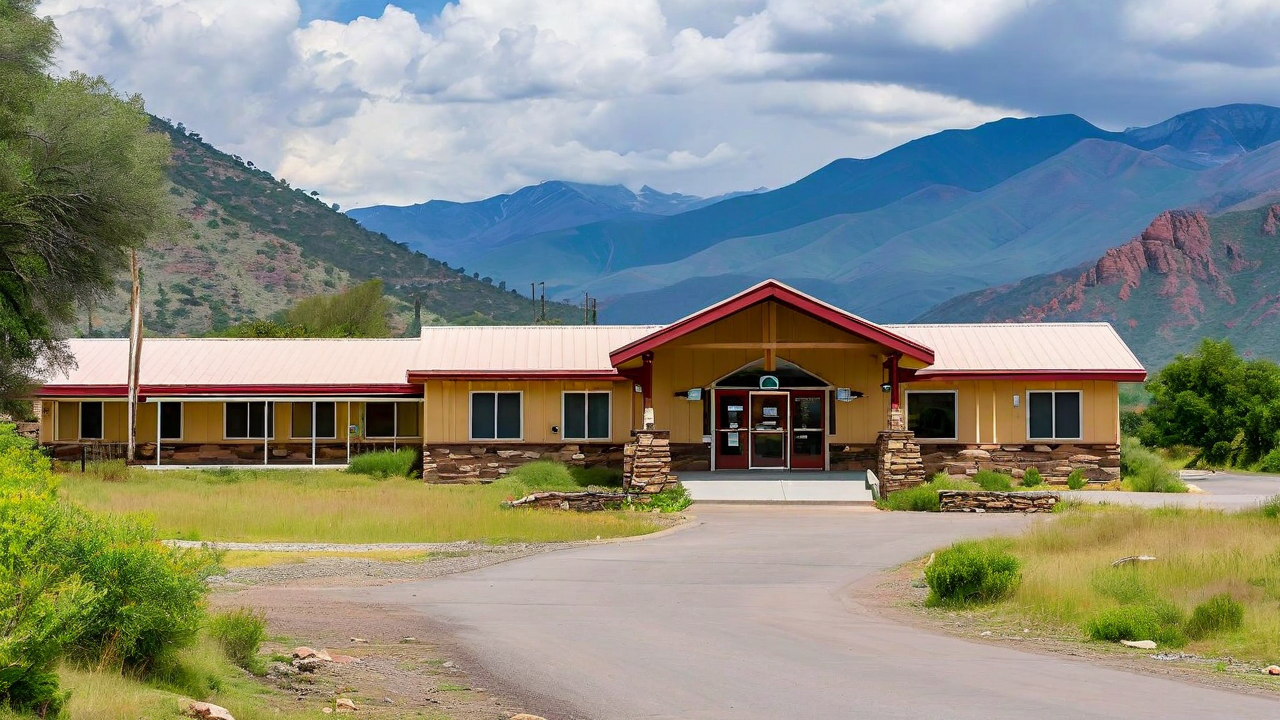
The drive from the nearest emergency department to the farthest community served by this federally qualified health center is 74 miles. That's not unusual for rural Appalachia. What is unusual is what the FQHC decided to do about it.
In April 2025, the health network launched an aggressive RPM enrollment push targeting patients with hypertension, diabetes, and congestive heart failure across its six clinic locations. The goal was to enroll 2,000 patients within 90 days. They hit it on day 87.
This is a factual account of how they did it, what broke along the way, and what other rural and federally qualified health centers can take from the experience.
The Setup: Why Scale, Why Now
The health network had piloted RPM with a small cohort of 80 cardiac patients in 2024. The outcomes were strong enough — 29% reduction in 30-day readmissions, 0.8 fewer ER visits per patient over 6 months — that the clinical leadership decided to expand aggressively rather than incrementally. A federal rural health grant provided partial funding for device procurement. State Medicaid had expanded RPM coverage to include federally qualified health centers earlier that year, resolving a billing issue that had delayed expansion previously.
The timing mattered. The grant funding had a 6-month deployment window. Either they moved fast or they returned the money.
Enrollment Strategy: Primary Care as the On-Ramp
They didn't build a separate RPM referral pathway. They embedded enrollment into existing primary care workflows. Every patient who met the chronic disease criteria — hypertension with at least one uncontrolled visit in the past year, type 2 diabetes, congestive heart failure — was flagged in the EHR for RPM discussion at their next scheduled appointment.
The physician conversation at that appointment was brief and standardized. A one-page laminated reference card summarized the program, what the devices did, what the patient's privacy rights were, and how to contact the RPM care team. Most of the detailed enrollment discussion happened separately with a dedicated RPM health educator — a role they created specifically for the expansion, staffing it with trained medical assistants rather than RNs to keep costs manageable.
Consent documentation was done on paper initially, then scanned into the EHR. Not ideal, but faster than waiting for a digital consent workflow to be built. They planned to migrate to electronic consent after the 90-day sprint. They did, eventually, at month six.
Device Distribution: Cellular-Only, No Wi-Fi
This was a non-negotiable design decision made during the 2024 pilot. A significant portion of their patient population lives in areas without reliable home broadband, and many of their oldest patients didn't have smartphones. Any device requiring app setup or home Wi-Fi would exclude exactly the patients who had the most to gain from remote monitoring.
Every device they deployed used built-in cellular transmission — the reading goes straight to the clinical platform without any patient-side technology requirement. The patient takes the blood pressure reading or glucose measurement. The device handles everything else.
Device distribution happened primarily at the clinics during enrollment visits, with a small mail-distribution operation for patients who couldn't make the trip. Every device was shipped with pre-attached instructions in plain language at an 8th-grade reading level. The FQHC's community health workers made home visits for patients who needed in-person setup support.
What Nearly Stopped It: Staffing
At week five of the enrollment sprint, the RPM care coordination team was managing nearly 900 enrolled patients with staffing designed for 400. Alert volume was high — they hadn't yet calibrated individual patient thresholds, so default settings were generating a substantial false positive load. Two of the five care coordinators were describing early burnout symptoms.
The clinical director made two immediate decisions: pause new enrollments for two weeks while threshold calibration was completed for the existing cohort, and temporarily reassign two medical assistants from clinic workflow support to help manage the alert queue. Both decisions slowed the enrollment timeline but preserved the program's clinical integrity. When enrollments resumed at week seven, alert volume per coordinator had dropped by 40%.
The lesson: staffing planning for RPM expansion needs to account for the threshold calibration period in the early weeks, when alert volumes are highest and staff are still learning the system. Under-staffing that window is a predictable failure mode.
Results at 90 Days
2,013 patients enrolled. Device transmission compliance at day 90: 74%, which the clinical team considered acceptable for a new program with a diverse patient population. Sixteen documented early interventions where RPM data enabled a care response that prevented an anticipated ER visit or hospitalization — validated by the treating physician's notes. Twelve of those sixteen patients were in the congestive heart failure cohort.
Full outcomes data at 12 months post-enrollment isn't yet available. The 6-month readmission numbers, released internally in November 2025, showed a 26% reduction for the CHF cohort. The hypertension cohort showed a 31% improvement in blood pressure control rates compared to the pre-program baseline.
74 miles from the nearest ER is still 74 miles. But 2,000 patients now have a daily connection to clinical oversight that didn't exist before.